The Art of Risk: Inside the World of Crypto Poker
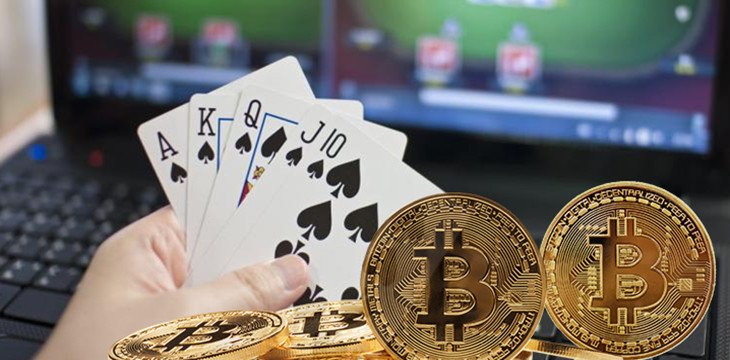
Risk has always been part of human nature. From explorers crossing oceans to entrepreneurs launching bold ventures, progress has often depended on calculated uncertainty. In the digital era, that spirit of risk-taking has found a new expression at the online card table — particularly in the growing world of crypto poker.
Unlike traditional casino games that rely mostly on chance, poker has long been regarded as a game of skill, psychology, and patience. Add cryptocurrency to the mix, and the experience evolves into something even more modern: a competitive arena shaped by blockchain technology, digital assets, and global connectivity.
In 2026, crypto poker represents more than a payment alternative. It reflects the transformation of risk itself — structured, strategic, and digitally empowered.
Risk as Strategy, Not Recklessness
In everyday language, risk often carries a negative tone. It suggests danger or loss. But in poker, risk is deliberate. Every bet, call, and raise is a measured decision based on probability, observation, and long-term thinking.
Crypto poker doesn’t change this foundation — it enhances it.
When players choose to fund their accounts with cryptocurrency, they are engaging in a dual-layered decision-making process. First comes the poker strategy itself: reading opponents, managing position, calculating odds. Then comes the financial layer: understanding digital wallets, blockchain transactions, and sometimes even market fluctuations.
This combination appeals to players who enjoy structure within uncertainty. It’s not about gambling blindly; it’s about managing variables with intelligence.
Blockchain and the Modern Table
Blockchain technology has reshaped industries from finance to supply chains. Online poker, it has introduced faster transactions, borderless access, and greater flexibility in deposits and withdrawals.
Traditional payment systems sometimes involve delays, restrictions, or additional processing layers. Cryptocurrency streamlines much of that process, enabling players to move funds efficiently and participate in global tournaments without relying solely on conventional banking systems.
This infrastructure shift has expanded the poker ecosystem. Players from different regions can compete more easily, creating larger tournaments, more active cash games, and a truly international competitive environment.
Platforms that integrate secure crypto transactions with established poker ecosystems — such as crypto poker environments — demonstrate how digital finance and strategic gaming can coexist within a stable framework.
The Psychology of Digital Competition
Poker has always been psychological. Success depends not just on cards but on reading patterns, controlling emotions, and anticipating behavior.
Crypto poker adds another subtle psychological dimension. Managing a bankroll in digital currency can feel different from using traditional money. Cryptocurrency introduces an abstract quality to value — balances exist in wallets, confirmed on blockchain networks, rather than in familiar banking interfaces.
For experienced players, this abstraction can sharpen focus. It separates gameplay decisions from traditional financial habits and places emphasis on strategy rather than physical cash. For others, it requires additional discipline to avoid overconfidence or emotional decision-making.
Either way, crypto poker reinforces the importance of mental control. Technology may evolve, but emotional stability remains a decisive advantage.
Global Access, Unified Competition
One of the most compelling aspects of crypto poker is its borderless nature. Blockchain payments operate independently of many regional banking systems, making participation more accessible to international players.
This global inclusivity strengthens competition. Larger player pools mean:
- More diverse playing styles
- Stronger tournament fields
- Bigger guaranteed prize pools
- Greater strategic depth
Digital competition thrives on participation. The broader the network, the more dynamic the game becomes.
Crypto poker reflects the broader digital shift toward decentralized systems — networks where participation is not limited by geography but defined by connectivity.
Balancing Innovation with Responsibility
Despite its advantages, crypto poker requires informed participation. Cryptocurrency markets can fluctuate, and understanding wallet security is essential. Players must protect private keys, verify transaction addresses, and practice disciplined bankroll management.
Responsible gaming principles remain unchanged. The speed of crypto transactions should never replace thoughtful decision-making. Risk must always be balanced with control.
The art of risk in crypto poker is not about maximizing exposure — it’s about understanding boundaries. Skilled players approach both gameplay and financial management with the same structured mindset.
Technology Serving Tradition
At its heart, poker remains timeless. It is still a contest of observation, probability, and composure. What crypto poker represents is not a replacement of tradition, but an evolution of infrastructure.
The table is digital. The chips are virtual. The payments move across decentralized networks. Yet the essence of the game — the tension of a bluff, the calculation behind a call, the discipline of folding — remains unchanged.
Technology serves the game, not the other way around.
The Future of Strategic Gaming
As blockchain adoption grows and digital assets become more mainstream, crypto poker is likely to expand further. Improved wallet integration, faster confirmation times, and stronger security systems will continue refining the experience.
But regardless of technological advancement, the central theme remains constant: risk must be intentional.
Crypto poker stands at the intersection of innovation and strategy. It appeals to players who see uncertainty not as chaos, but as opportunity shaped by preparation.
Final Thoughts
The art of risk is about balance — between boldness and caution, aggression and patience, innovation and responsibility. Crypto poker embodies that balance in the modern era.
It combines the psychological depth of traditional poker with the efficiency and flexibility of blockchain technology. For players who appreciate structured competition within a digital framework, it offers a compelling arena.
In 2026, the world of crypto poker is not just about cards or currency. It is about mastering uncertainty — one calculated decision at a time.