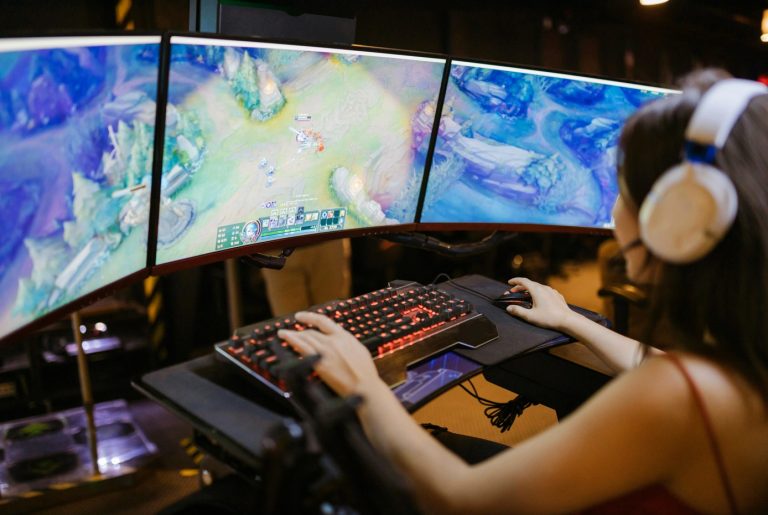
How to Optimize Your Gaming PC for Maximum Performance

You finally built or bought your gaming PC, fired up your favorite title, and instead of buttery-smooth gameplay, you’re hit with stutters, frame drops, long load times, or that annoying moment when everything freezes right as the action peaks. Sound familiar? You’re not alone. Most gamers assume poor performance means weak hardware, but in reality, many PCs are held back by simple misconfigurations, overlooked software issues, or bad optimization habits. The good news is that squeezing maximum performance out of your gaming PC doesn’t always require spending more money—it requires understanding how your system works, where it struggles, and how to eliminate bottlenecks that silently ruin your gaming experience. This guide is built for real gamers, not tech robots. We’ll talk about the frustrations you face, why they happen, and how to fix them step by step so your PC finally performs the way it should.
Start With Your Hardware: Remove the Bottlenecks Before They Ruin Gameplay
Your gaming performance will never exceed your weakest component, and that’s where most players unknowingly run into trouble. A powerful GPU paired with slow RAM, an outdated CPU, or a nearly full hard drive creates performance choke points that cause stutters and inconsistent frame rates. Many gamers upgrade one component and expect miracles, but balance matters more than raw power. If your CPU is constantly hitting 100%, your GPU won’t matter. If your storage is old and cluttered, load times will drag no matter how fast your graphics card is. Even thermal issues can throttle performance—dust buildup and poor airflow cause components to slow down to protect themselves. Optimizing hardware means cleaning your PC, monitoring temperatures, upgrading wisely, and ensuring your components work together instead of fighting each other.
Update Drivers and System Software: The Simplest Fix Most Gamers Ignore
It’s shocking how many performance issues come down to outdated drivers. GPU manufacturers constantly release updates that improve frame rates, fix crashes, and optimize new games, yet many players never install them. The same goes for motherboard firmware, chipset drivers, and even Windows updates that quietly improve system stability. Running outdated software is like driving a sports car with the parking brake on—you won’t reach full speed. Driver updates often solve random crashes, micro-stutters, and compatibility issues that players wrongly blame on hardware. Make it a habit to check updates monthly, especially before installing a new game, because one missed update can be the difference between smooth gameplay and constant frustration.
Optimize Windows Settings for Gaming Instead of Background Chaos
Out of the box, Windows isn’t optimized for gaming—it’s optimized for multitasking, notifications, background apps, and power saving. All of those steal performance while you’re gaming. Features like unnecessary startup programs, background apps, system animations, and aggressive power-saving modes quietly drain CPU and memory. Switching to a high-performance power plan, disabling unnecessary visual effects, and trimming startup programs can instantly improve responsiveness. Game Mode can help, but it’s not a magic switch—it works best when paired with manual optimization. The goal is simple: when you’re gaming, your PC should prioritize the game and nothing else.
Fine-Tune In-Game Graphics Settings for Real-World Performance
Max settings sound great on paper, but blindly cranking everything up is one of the fastest ways to kill performance. Many settings barely improve visuals while heavily impacting frame rates, such as ultra shadows, motion blur, or extreme draw distances. Learning which settings matter—and which don’t—lets you create a perfect balance between visuals and smoothness. This matters even more in fast-paced games where consistency is king. Whether you’re exploring open-world titles or spinning reels in a pkv games, smooth performance keeps you immersed and prevents those immersion-breaking frame drops that pull you out of the experience. Optimization isn’t about sacrificing beauty—it’s about choosing smart compromises.
Storage Optimization: Faster Load Times, Fewer Stutters
Your storage drive affects more than just boot times. Games constantly stream assets, textures, and data while you play, and slow or overloaded drives cause stutters and long loading screens. Installing games on an SSD instead of an HDD can dramatically improve performance, especially in open-world games. Keeping at least 20–25% of your drive free helps prevent slowdowns, while disabling unnecessary background indexing and cleanup tools ensures your drive isn’t fighting your game for resources. Storage optimization is often overlooked, but it’s one of the easiest ways to make your PC feel instantly faster.
Control Background Applications and Overlays That Steal Performance
Background apps are silent performance thieves. Browsers with dozens of tabs, recording software, RGB controllers, voice chat overlays, and launchers all nibble away at CPU, RAM, and GPU resources. Individually they seem harmless, but together they create inconsistent performance and random frame drops. Overlay fatigue is real—every little pop-up and stat counter adds overhead. Streamline what runs while gaming and shut down what you don’t need. Your PC isn’t slow; it’s just distracted.
Manage Thermals: Heat Is the Enemy of Performance
Even the best hardware performs poorly when it overheats. Thermal throttling happens quietly—your PC slows itself down to prevent damage, and you’re left wondering why your FPS dropped out of nowhere. Proper airflow, clean fans, quality thermal paste, and smart fan curves keep your components running at peak performance. Monitoring temperatures should be part of every gamer’s routine, not just overclockers. A cool PC isn’t just quieter—it’s faster and more stable.
Overclocking (Carefully): Unlock Hidden Performance
Overclocking gets a bad reputation, but when done responsibly, it’s a powerful way to extract extra performance from your hardware. Modern CPUs and GPUs are designed with safe headroom, and even small boosts can improve frame consistency. The key is moderation—rushing into aggressive overclocks leads to crashes and instability. With proper cooling and gradual tuning, overclocking can extend the life of your setup and keep demanding games running smoothly without immediate upgrades.
Network Optimization: Don’t Let Lag Ruin the Experience
Performance isn’t just about FPS—network stability matters too. High ping, packet loss, and unstable connections ruin gameplay even on powerful PCs. Wired connections outperform Wi-Fi, router settings affect latency, and background downloads quietly sabotage online games. Whether you’re battling opponents or enjoying a strategic qq poker game, smooth network performance keeps the experience fair and frustration-free. Optimizing your network ensures your skill—not lag—determines the outcome.
Maintenance Habits That Keep Your PC Fast Long-Term
Optimization isn’t a one-time task—it’s an ongoing habit. Regularly cleaning your PC, uninstalling unused software, updating drivers, and monitoring performance prevents gradual slowdowns that creep in over time. Many gamers don’t notice performance loss until it becomes unbearable, but small maintenance steps keep your system running like new. Think of it as digital hygiene for your gaming rig.
Know When to Upgrade—and When Not To
Not every performance problem requires new hardware. Too many gamers upgrade blindly instead of identifying the real issue. Sometimes adding RAM, switching to an SSD, or improving cooling delivers better results than expensive GPU upgrades. Smart optimization saves money and extends the life of your system. Upgrade with intention, not frustration.
Final Thoughts: Turn Frustration Into Fluid Gameplay
Optimizing your gaming PC isn’t about chasing numbers—it’s about reclaiming the experience you paid for. Smooth frame rates, fast load times, and stable performance transform games from frustrating to immersive. When your system works with you instead of against you, every session feels better, longer, and more rewarding. Take control of your setup, eliminate the hidden performance killers, and enjoy gaming the way it was meant to be—fluid, responsive, and endlessly fun.