DBS Checks Explained: Ensuring Safer Recruitment and Responsible Hiring
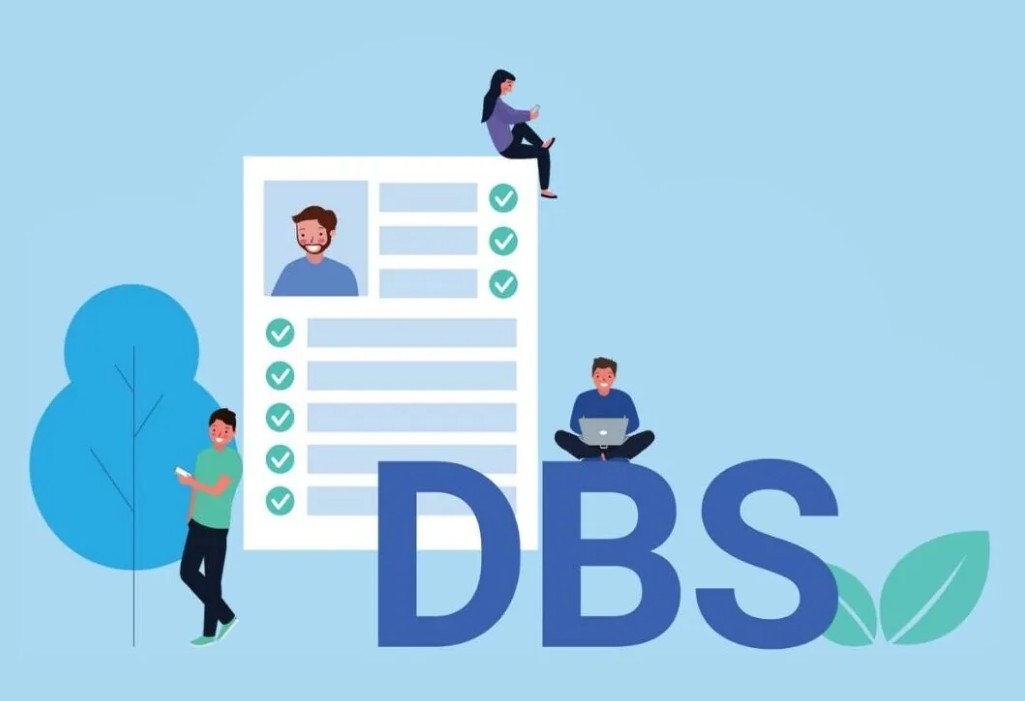
Hiring the right people is essential for maintaining safety and trust within any organisation. A Disclosure and Barring Service (DBS) check plays a vital role in helping employers verify whether an individual is suitable for positions that involve responsibility, trust, or contact with vulnerable people. DBS screening supports safer recruitment by providing relevant criminal record information when required by law or best practice.
This article outlines what DBS checks are, the different types available, who requires them, how to apply, and additional important considerations for employers and applicants.
What Is a DBS Check?
A DBS check is an official background screening process carried out by the Disclosure and Barring Service in the United Kingdom. It reveals criminal record information appropriate to the level of check requested. Employers use DBS checks to reduce risks during recruitment and to ensure individuals are suitable for specific roles.
DBS checks are widely used across education, healthcare, social care, charity organisations, transportation services, and roles involving financial or confidential responsibilities
Types of DBS Checks
- Basic DBS Check
A Basic DBS check shows unspent convictions and conditional cautions. Individuals can apply for this level themselves, making it suitable for general employment, self-employed professionals, licensing applications, and personal background verification.
- Standard DBS Check
A Standard DBS check includes:
Spent and unspent convictions
Cautions, reprimands, and warnings
This level is commonly required in professions such as legal services, accountancy, insurance, and security roles where integrity and trust are essential.
- Enhanced DBS Check
An Enhanced DBS check provides the most detailed level of screening and includes:
- All information listed in a Standard check
- Relevant intelligence held by local police
- Checks against the Children’s and/or Adults’ Barred Lists (where applicable)
Enhanced checks are mandatory for regulated activities involving children or vulnerable adults, such as teaching, healthcare work, and social care roles
Who Needs a DBS Check?
Many job roles require DBS checks, including:
- Teachers, teaching assistants, and school staff
- Doctors, nurses, and healthcare assistants
- Care workers and support staff
- Childcare providers and nursery employees
- Volunteers working with children or vulnerable adults
- Foster carers and adoption applicants
- Licensed taxi or private hire drivers
- Employees handling sensitive financial or personal data
- Employers may also request DBS checks for senior management positions where safeguarding or public trust is critical.
Why DBS Checks Are Importan
Safeguarding Vulnerable Groups
DBS checks help protect children and vulnerable adults by identifying individuals who may pose a risk.
Supporting Safer Recruitment
Background screening adds an additional layer of verification alongside interviews, references, and qualification checks.
Legal Compliance
Certain sectors are legally required to carry out DBS checks to meet safeguarding regulations and industry standards.
Building Public Confidence
Organisations that implement DBS screening demonstrate commitment to safety, professionalism, and ethical hiring practices.
Preventing Workplace Risk
DBS checks assist in reducing incidents of misconduct, fraud, or abuse within sensitive work environments.
How to Apply for a DBS Check
The application process depends on the level required:
Individuals can apply directly for a Basic DBS check.
Standard and Enhanced DBS checks must be processed through an employer or a registered umbrella body
Application Steps:
- The employer or registered body starts the application.
- The applicant provides personal details and valid identification documents.
- The DBS conducts criminal record and barred list searches where applicable.
- The DBS certificate is issued to the applicant.
- The applicant presents the certificate to the employer for verification.
- Applicants may also join the DBS Update Service, allowing their certificate to remain current and reusable for eligible roles.
Additional Points Employers and Applicants Should Know
DBS certificates do not expire officially, but organisations may request periodic renewals.
Disclosure rules allow certain minor or historic offences to be filtered from certificates.
Employers must follow strict data protection guidelines when storing DBS information.
Identity verification is a key part of the process to prevent fraud or impersonation.
Overseas applicants may need additional police clearance certificates from countries they previously lived in.
Regular re-checks are recommended for roles involving ongoing safeguarding responsibilities.
DBS checks should be part of a broader safeguarding policy including training and supervision.
DBS checks are an essential component of responsible hiring and safeguarding practices across many industries. They help organisations make informed recruitment decisions while protecting vulnerable individuals and maintaining workplace integrity. Understanding the types of DBS checks and the correct application process ensures compliance and promotes a safer working environment for everyone involved.
For individuals and organisations seeking reliable assistance, clearcheck.co.in is a trusted site for dbs check