Global Spotlight 2026: Why Upcoming Mega-Events Will Command Worldwide Viewership

Few calendar years gather as many headline tournaments as 2026. Football, multi-sport games, and emerging showcases align in ways that guarantee nonstop spectacle from January through December. Rights holders draft bigger crews, sponsors reserve record budgets, and tourism boards prepare for influxes not seen since pre-pandemic peaks.
Conversation already spills into entertainment platforms far removed from stadium news. An outdoor gaming portal recently updated its winter challenge, branding the upgrade evolution ice fishing to coincide with televised qualifiers for the 2026 Youth Winter Games. The crossover hints at a broader trend: global events now influence everything from streaming algorithms to holiday itineraries, amplifying reach beyond traditional fan circles.
An Unusually Crowded Sports Calendar
Multiple organisations shifted earlier competitions due to pandemic rescheduling, compressing cycles that normally stretch across four or even six years. As a result, 2026 inherits finals, championships, and new-format experiments in rapid succession. Host nations fine-tune transport apps, while broadcasters schedule 24-hour programme blocks to keep pace with overlapping time zones.
Keystone Events Expected to Lead Headlines
- FIFA World Cup (United States, Canada, Mexico)
Forty-eight national teams compete in eighty matches, setting a record for both participation and ticket allocation. - Winter Youth Olympic Games (Gangwon, South Korea)
Over 1,800 athletes aged 15–18 contest skiing, skating, and a debut freestyle snowboard cross. - Commonwealth Games (Victoria, Australia)
Decentralised clusters allow regional cities to stage events, testing a budget-friendly hosting blueprint. - Asian Games (Aichi–Nagoya, Japan)
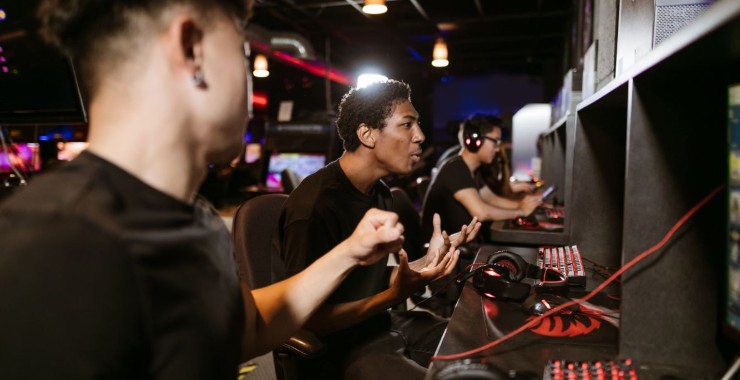
Esports graduates from demonstration status to fully medalled discipline, drawing new sponsors. - UEFA Champions League Final (Budapest, Hungary)
Expanded qualification pathways add fresh storylines, increasing neutral-fan interest across continents.
The list above highlights both scale and diversity. Traditional powerhouses share space with youth-centric gatherings and digital-era competitions, ensuring every demographic finds a narrative to follow.
Technology Raises Viewing Expectations
Ultra-high-definition streams, real-time statistics, and low-latency mobile feeds combine to make passive watching obsolete. Edge-computing nodes positioned near venues cut delay to under five seconds, letting social-media commentary stay nearly synchronous with stadium roars. Augmented-reality overlays show player vitals or split times directly on handheld screens, turning kitchen counters into impromptu analyst desks.
Broadcasters also trial alternative audio tracks: tactical breakdowns for enthusiasts, beginner-friendly commentary for casual viewers, and celebrity chat rooms for pop-culture fans. Bundle flexibility means households can pay per match, per sport, or per month, removing the friction that once drove piracy.
Key Trends That Will Shape Fan Experience
- 360-Degree Camera Feeds
Select matches offer head-swivel replays compatible with inexpensive VR headsets. - Micro-Betting Integration
Data providers supply second-by-second probabilities, encouraging responsible in-play wagers. - Dynamic Ticketing Apps
AI adjusts prices in real time, filling late vacancies and rewarding early planners with credits. - Carbon-Offset Add-ons
Checkout pages bundle travel emissions compensation, reflecting sustainability pressures. - Language-Adaptive Subtitles
Automatic translation engines let global audiences follow native commentators without delay.
Spacing between the lists maintains reading flow and mirrors how event planners stagger match start times to maximise international reach.
Economic and Cultural Ripple Effects
Host regions receive infrastructure upgrades rail lines in North America, athlete villages in Australia, ice arenas in South Korea creating legacy assets long after podium ceremonies end. Local craftsmen prepare merchandising tie-ins, while hospitality schools fast-track multilingual staff certification to accommodate diverse crowds.
Streaming-first sports such as competitive surfing and climbing leverage marquee months to schedule concurrent world tour stops, capturing viewers already primed for athletic content. Social influencers book on-site studio spaces, producing daily vlogs that blur lines between tourism and journalism.
Challenges in a Packed Season
Travel budgets for federations tighten as athletes juggle national-team duty with professional-league schedules. Medical teams highlight recovery data, rotating starters more aggressively to prevent overuse injuries. Rights negotiations grow complex; overlapping windows risk saturation if storylines cannibalise each other. Event organisers thus coordinate marketing calendars, highlighting regional pride instead of raw ratings competition.
Data privacy stands out as another hurdle. Biometric tracking promises richer broadcasts but requires strict consent protocols. Federations collaborate with regulators to ensure compliance before live feeds begin.
Conclusion
The 2026 sports landscape blends quantity with quality, offering marquee fixtures across football, multisport gatherings, and tech-driven disciplines. High-speed streaming, adaptive commentary, and innovative ticket models will pull global audiences into an almost continuous festival of athletic achievement. Whether through stadium seats, VR headsets, or second-screen apps, spectators will find more ways than ever to engage, transforming the year into a landmark moment that redefines how worldwide attention converges on sport.