4 Myths About Senior Living
Dig into senior living research and you’ll hit a wall fast. Outdated assumptions. Flat-out wrong information that somehow refuses to die. People carry these ideas about senior communities for decades, and that costs them. Real options get overlooked. Decisions get delayed. So here’s what’s actually true.
1. You Surrender Independence the Moment You Move In
Probably the most stubborn myth of all. The notion that moving into a senior community means handing over your daily life just doesn’t hold up to scrutiny. Modern communities are built around resident autonomy: support where it’s needed, freedom where it isn’t. Residents decide how they spend their time. They pick their activities. Big life decisions stay theirs. Full stop.
Person-centered care has fundamentally changed how these places operate. Rigid schedules? Largely gone. Communities now bend around individual preferences, accommodating wildly different lifestyles. Someone in an independent living setup might cook their own meals, manage their own money, and come and go without answering to a soul, with staff nearby only when something goes sideways. Even where care is more comprehensive, residents hold decision-making authority over medical treatment, their social lives, and their daily routines. Safety and wellness, yes. But dignity stays intact. That’s the whole point.
2. Senior Living Communities Are Isolating and Depressing
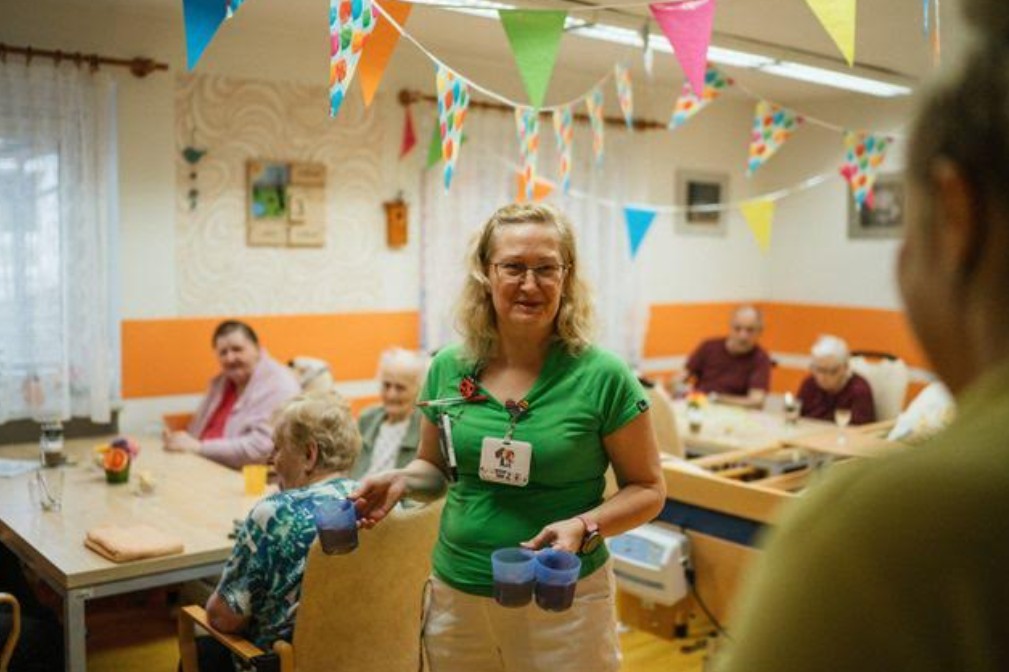
The image is familiar: seniors parked in chairs, staring at walls, cut off from everything. It’s wrong. And it’s been wrong for a long time. Today’s communities engineer social connection directly into their structure: fitness classes, arts programs, educational seminars, volunteer opportunities, events. Many also run intergenerational programming that puts residents alongside younger people through mentorship, school visits, or family gatherings.
Good communities build the kind of social infrastructure where friendships just happen. Residents routinely describe finding tight circles of people with shared interests and experiences. Common areas, dining halls, and activity spaces aren’t afterthoughts. They’re designed for spontaneous conversation, for running into someone you like. And here’s something worth sitting with: many seniors actually feel more connected in these environments than they did living alone, where mobility limits, losing a spouse, or distance from family had quietly closed things in. Small gatherings or large events? One-on-one time or a crowd? There’s room for all of it.
3. It’s Only for People with Serious Health Problems
Some people assume senior living is reserved for advanced medical cases. It isn’t. Reasons to move vary enormously: downsizing from a big family home, shedding maintenance burdens, wanting better social opportunities, or simply choosing a lifestyle that fits where you are right now. Plenty of residents are in excellent health. No crisis pushed them. They chose it, proactively, on their own terms.
Independent living communities exist precisely for active seniors who want minimal assistance but value convenience and community. Newly retired professionals. Snowbirds. People who want to travel without a house sitting empty and worrying them. Some communities are built around specific interests, including golf, the arts, and lifelong learning. Families exploring options along the New Jersey Shore, for instance, might find that assisted living in Ocean Grove, NJ offers structured support alongside a genuine social environment, keeping residents close to family and familiar surroundings.
Multiple care levels also mean someone can move in while still healthy, then shift to more support only if needs change later. That flexibility matters enormously. It lets people move on their own timeline, not because a health emergency forced a chaotic, stressful scramble. Moving early means building relationships and learning the environment before additional care ever becomes necessary. That head start is worth a lot.
4. Privacy Basically Doesn’t Exist
Last one: the belief that residents share rooms, endure constant supervision, and have no real control over their personal space. Quality communities do the opposite. Private apartments, studio units, and cottages give residents their own spaces and control over who walks through the door. Staff knock. They enter private areas only when invited or providing a scheduled service. Residents decorate however they want, keep whatever schedule suits them, and enjoy quiet without anyone hovering.
Privacy isn’t just physical, either. It covers personal information and social participation. Health information stays confidential. Residents choose how openly they engage in community life, and skipping events carries no pressure or judgment. Many communities even offer dedicated quiet spaces and solo activities for people who need solitude. That balance between connection and privacy isn’t incidental. It’s central to good design. People need both, and the best communities build for both.
Conclusion
These myths persist because they’re rooted in images that stopped being accurate a long time ago. Move past them and the picture shifts considerably. Options are genuinely broad: different personalities, health situations, activity levels, and budgets all have communities built with them in mind. Getting to a good decision means separating old stereotypes from current reality. Do that, and families can actually find something that improves life, rather than just managing decline.