Best Breathable Sofa Covers to Beat the Summer Heat in Pakistan
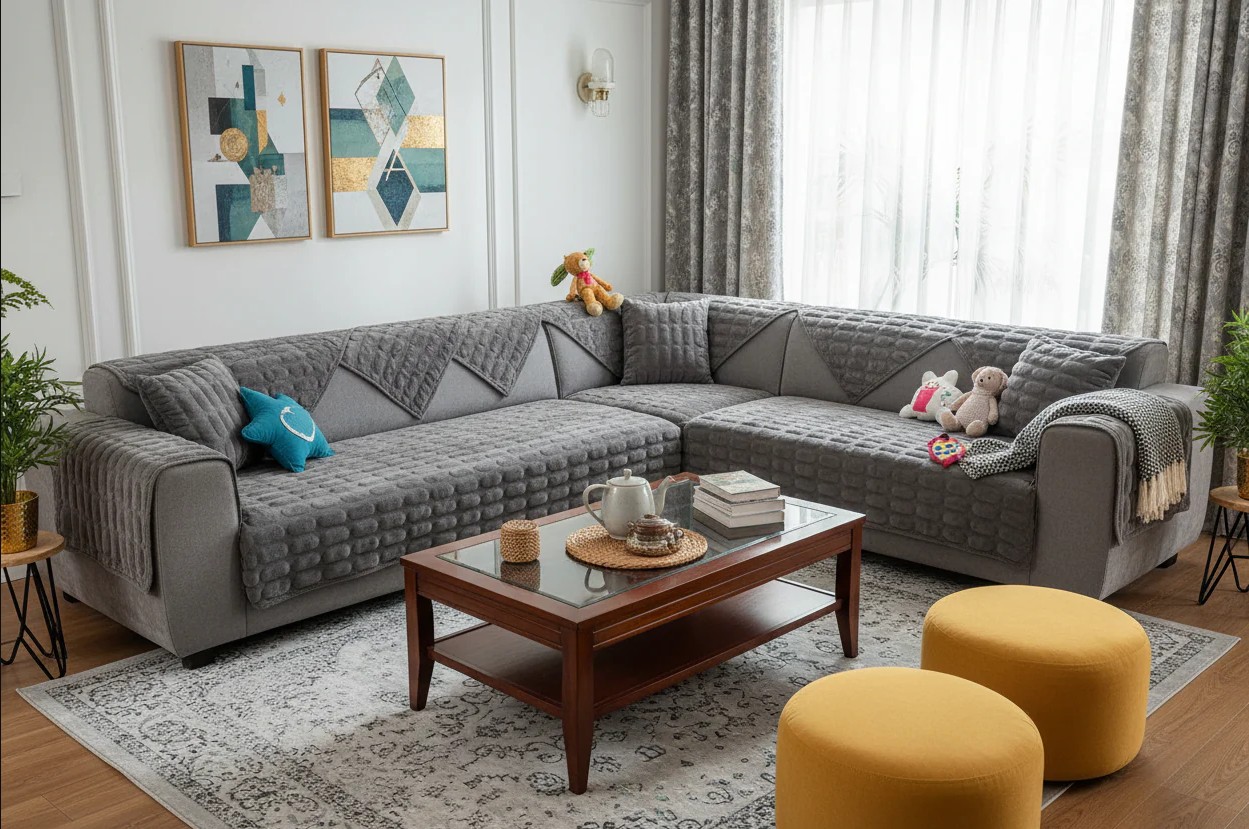
When the summer temperatures soar, your living room should be a cool, relaxing sanctuary. However, if your furniture is upholstered in heavy synthetics, velvet, or leather, sitting down can quickly become an uncomfortable, sweaty experience. The intense heat, combined with seasonal humidity and frequent power outages, means that managing indoor comfort requires practical solutions. One of the most effective and affordable ways to transform your living space for the season is by upgrading to breathable couch protectors.
Choosing the right fabric makes a substantial difference in air circulation and heat retention. If you are looking to refresh your lounge, exploring the best sofa covers in pakistan crafted from summer-friendly materials is the perfect place to start.
Here is a comprehensive guide to understanding breathability in textiles and selecting the perfect slipcovers to beat the summer heat.
Why Breathability Matters for Upholstery in Summer
Breathability in fabrics refers to the material’s ability to allow moisture vapor to be transmitted through it. In the context of furniture covers, a breathable fabric permits air to circulate freely between your body and the cushion, preventing the trapping of body heat.
When you sit on a non-breathable fabric like pure polyester or faux leather, the material creates a barrier. Your body temperature rises, and the resulting sweat has nowhere to go, leaving you feeling sticky. Breathable textiles solve this by wicking moisture away from the skin and allowing it to evaporate rapidly. This constant airflow acts as a natural cooling mechanism, ensuring that your seating area remains comfortable even during peak afternoon heat.
Top Breathable Fabrics for Summer Couch Covers
Not all fabrics are created equal when it comes to heat management. Here are the top materials to look for when upgrading your home textiles for the summer months.
1. 100% Pure Cotton: The Ultimate Summer Staple
Cotton is globally recognized as the king of summer textiles, and for good reason. It is a natural fiber that is highly absorbent and exceptional at promoting airflow. Cotton sofa covers are soft to the touch and naturally hypoallergenic, making them ideal for households with young children or individuals with sensitive skin.
Because cotton fibers are hollow in the center, they easily absorb moisture and release it quickly into the surrounding air. Whether you opt for a fitted cotton canvas or a loose-drape cotton throw, this material guarantees a cooler seating experience.
2. Cotton-Jersey Blends: Stretchable and Breezy
If you have a custom-shaped couch, such as a rolled-arm Chesterfield or an L-shaped sectional, a rigid cotton cover might not provide the tailored look you want. This is where cotton-jersey blends shine.
Jersey is a knit fabric rather than a woven one. When spun primarily from cotton threads with a slight mix of elastane or spandex (usually around 2% to 5%), it offers incredible multidirectional stretch while maintaining excellent breathability. The knitted structure naturally features microscopic gaps that allow heat to escape, giving you a snug, wrinkle-free fit without sacrificing summer comfort.
3. Linen and Khaddar: Earthy and Ventilated
Linen is made from the fibers of the flax plant and is highly valued for its exceptional coolness in hot weather. It has a lower thread count and a looser weave compared to standard cotton, which maximizes air ventilation. Linen also has natural moisture-wicking properties and dries much faster than cotton.
In the local market, lightweight khaddar (a hand-spun, hand-woven natural fiber cloth) serves as a fantastic alternative. A lightweight khaddar throw or fitted cover brings a rustic, organic aesthetic to your drawing room while providing top-tier breathability.
The Role of Weave Density and Thread Count
When selecting summer textiles, the structural construction of the fabric is just as crucial as the raw material.
Consumers are often taught that a higher thread count equates to higher quality. While this is true for luxury winter bedding, a very high thread count in a sofa cover means the yarns are woven tightly together. This tight weave blocks air passageways, reducing breathability.
For summer slipcovers, look for a moderate thread count with a visible, slightly looser weave (like percale cotton or light canvas). This structural openness allows body heat to dissipate instantly, keeping the furniture surface cool to the touch.
Color Psychology: Reflecting Heat in the Lounge
The color of your furnishings plays a surprising role in temperature regulation. Dark colors absorb light and heat, while light colors reflect them. If your living room receives a lot of direct sunlight through the windows, dark navy, black, or deep burgundy upholstery will absorb that thermal energy and radiate it back into the room.
To maximize the cooling effect of your breathable covers, opt for a summer-friendly color palette:
- Crisp Whites and Creams: Instantly brighten the room and reflect maximum thermal energy.
- Cool Pastels: Soft mint greens, powder blues, and lavender create a psychologically cooling visual effect.
- Earthy Neutrals: Beige, taupe, and light grey offer a sophisticated look that hides minor dust better than pure white while remaining heat-reflective.
Protecting Your Furniture from Summer Elements
Summer doesn’t just bring heat; it brings dust storms, higher indoor humidity, and an increase in natural body perspiration. Over time, sweat can seep into your expensive original upholstery, leading to unpleasant odors and permanent yellowing.
A breathable cover acts as a sacrificial layer. By absorbing the brunt of the daily wear, tear, and moisture, it preserves the integrity of the foam and fabric underneath. For homes that rely heavily on open windows for cross-ventilation, these covers also trap the incoming dust, keeping the actual sofa pristine.
How to Care for Your Summer Slipcovers
Because summer covers absorb more sweat and environmental dust, they require frequent washing. To maintain their breathability and structural integrity, follow these maintenance guidelines:
- Cold Water Wash: Always wash cotton and jersey covers in cold water. Hot water can break down the natural fibers and cause significant shrinkage, which will ruin the fitted dimensions of the cover.
- Mild Detergents: Avoid harsh bleaches or heavy-duty chemical detergents. These can strip the natural softness from cotton and linen, leaving the fabric feeling scratchy and stiff.
- Shade Drying: While the summer sun is great for quick drying, direct UV exposure will rapidly fade vibrant colors and degrade the elastane in jersey blends. Line dry your covers in a shaded, well-ventilated outdoor area.
- Avoid Fabric Softeners: Liquid fabric softeners leave a microscopic waxy residue on textiles. Over time, this buildup clogs the porous structure of cotton and linen, severely reducing their breathability.
Conclusion
Surviving the intense heat requires a few strategic changes to your home environment. By swapping out heavy, heat-trapping upholstery for lightweight, breathable textiles, you can instantly improve the comfort and usability of your living space. Focus on natural fibers like cotton and linen, pay attention to the weave density, and stick to lighter colors to create a fresh, inviting lounge all season long.