The Role of Multiplayer Modes in Online Gaming Popularity
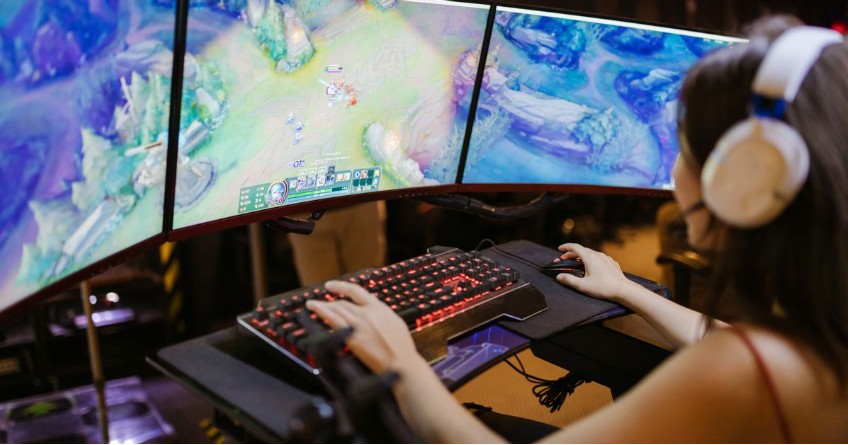
Why do some online games stay popular for years while others fade after a short burst of attention? A major reason is multiplayer mode, which gives players a reason to return, compete, cooperate, and stay connected. Single-player play can be satisfying, but shared play adds unpredictability that keeps each session from feeling identical.
Multiplayer modes also change the social side of gaming. They turn a private activity into a shared one, and that shift affects how players talk about games, recommend them, and make them part of daily routines. Once a game becomes a place to meet other people, its appeal often grows beyond the mechanics alone.
That social pull matters because online gaming popularity is not built only on graphics or story. It grows from repeat play, community habits, and the feeling that every session might produce a different outcome. A well-made multiplayer mode supports all three.
Why Multiplayer Modes Keep Players Returning
Multiplayer modes create replay value by making every match or session less predictable.
Human opponents and teammates bring different styles, timing, and decision-making, so players face fresh situations even inside the same map or rule set. That variability keeps the experience from becoming routine too quickly. A player may know the basic rules well, but the people in the match create new challenges each time.
Competition is a strong return factor too. Many players come back because they want to improve ranking, test strategies, or correct mistakes from the last session. That kind of self-improvement gives online games a long life because progress feels personal and measurable.
Cooperative play also adds staying value. Working with others to complete a mission or win a match creates shared responsibility, which makes success feel more meaningful. Players often return not just for the game itself, but for the chance to keep a team effort going.
A multiplayer game can even build routine through short sessions. A quick match after school, work, or dinner fits easily into daily life, and that convenience helps keep player numbers high over time.
Social Connection And Community Growth
Multiplayer modes also make online games feel social in a way single-player games cannot match.
Players talk to friends, meet new people, and build groups around shared goals. Those groups often become stable communities where players return because they enjoy the social setting as much as the game. That makes the game part of a wider habit, not just a one-time activity.
Communication inside multiplayer play adds another layer. A quick message, voice chat, or coordinated strategy gives players a sense of teamwork that simple solo play cannot offer. Even small interactions can make a session memorable and encourage people to come back.
That social effect also spreads outside the game itself. Players discuss strategies, share clips, and compare results on other platforms, which keeps the game visible to more people. A slot in a game session can even become a talking point among friends if the moment is surprising enough to spark conversation later.
Communities help popularity remain steady because they create attachment. Players are less likely to leave a game if they know friends or teammates are still active in it. That group connection gives the game a longer life than a solo experience often can.
How Multiplayer Supports Streaming And Online Discussion
Multiplayer modes fit naturally with streaming and online discussion, which helps games spread faster.
Viewers often enjoy watching multiplayer because the action is less predictable than scripted content. Match outcomes can change quickly, and that tension makes the experience more interesting to follow. Spectators also like seeing how real players adapt under pressure.
Multiplayer games generate stories. A dramatic comeback, a narrow win, or a clever team move gives people something specific to talk about. Those moments are easy to share because they feel spontaneous and memorable.
Online discussion grows for the same reason. People post tactics, complain about balance, and compare experiences because multiplayer creates common reference points. The more people talk about a game, the more visible it becomes to new players who are looking for something active and current.
Even casual talk matters. If a game gives players a funny or intense match, they are more likely to mention it to friends. That word-of-mouth effect is one of the simplest ways multiplayer mode helps popularity spread beyond the original player base.
The Role Of Competition And Skill Growth
Competition gives multiplayer games a clear reason to stay popular for long stretches.
Many players enjoy testing skill against real people because it feels more meaningful than facing computer-controlled behavior. Real opponents adapt, bluff, and punish mistakes, so success feels earned rather than automatic. That challenge keeps players interested as their own skill improves.
Ranked play, ladders, and seasonal scoring systems also encourage repeat activity. Players return to improve their standing, protect their rank, or push for a better result before a season ends. That structure gives a game a steady rhythm and keeps attention focused over time.
Skill growth matters because it creates a sense of progress without needing a story to carry the experience. Players notice that they react faster, make better choices, and work more effectively with teammates. Those improvements are satisfying because they come from practice, not luck alone.
Competition can also support fairness when it is balanced well. If players feel that skill matters, they are more likely to stay involved. If outcomes feel random or unfair, interest drops faster. That is why balanced multiplayer design has such a strong effect on long-term popularity.
Why Shared Updates And Events Matter
Multiplayer popularity often grows stronger when developers support it with live events and regular updates.
New maps, modes, and rule changes give players a reason to return and test something different. In multiplayer, even a small change can alter strategy, team roles, or match pacing, so updates refresh the experience without needing a full redesign.
Limited-time events can also boost activity because they create a shared moment for the whole player base. People log in around the same time, which increases match availability and makes the game feel active. That activity matters because multiplayer is strongest when many players are online together.
Seasonal content can also shape community habits. Players often plan around new rewards, special objectives, or rotating playstyles, which keeps attention centered on the game across months instead of days. This steady cycle helps maintain popularity long after the initial release.
A game with active multiplayer support feels alive because its matches, communities, and updates keep changing. Players do not just remember what the game was like once; they stay because the experience keeps offering something new through other people and shared events.
How Multiplayer Modes Shape Long-Term Popularity
Multiplayer modes do more than add extra options. They change the reason people care about an online game in the first place.
They give players competition, teamwork, social interaction, and repeatable goals in one place. That mix makes the game more likely to become part of a habit, a friend group, or a wider conversation. Popularity grows when a game is not only fun to play, but also useful as a social space and a skill test.
That is why multiplayer features often sit at the center of online gaming success. They keep players active, bring new people in through conversation, and help a game stay relevant far beyond its launch period. In online gaming, shared play is one of the strongest reasons a game becomes popular and stays that way.