How Kansas City Truancy Court Works with Schools and Families
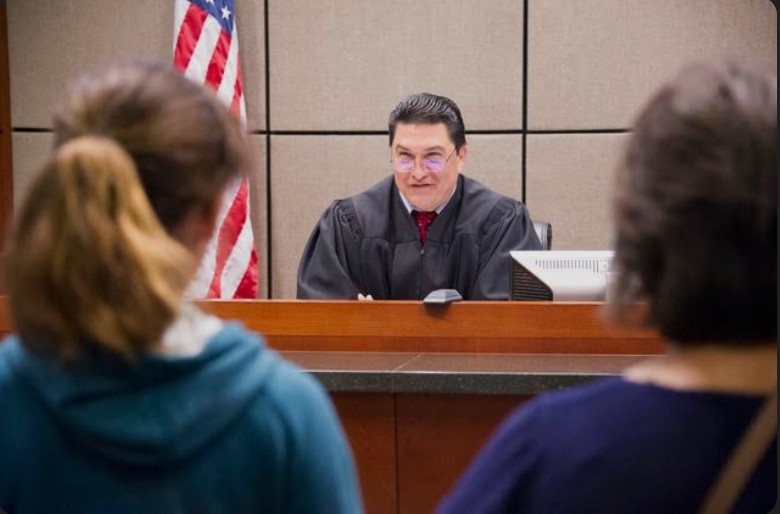
Truancy court in Kansas City often raises questions for parents and schools. It sounds formal, even a bit scary at first. But the system is not just about rules or penalties. It focuses on getting kids back to school and keeping them there. Schools, families, and courts work together more than most people expect. The goal is simple: find out why a student misses school and fix the cause early. Groups like Beyond the Bench KC, based in Kansas City, Missouri, also help spread awareness. They support programs tied to healing, not just punishment. Their work connects with the mission of local court systems and helps families understand what comes next. This process is part of the wider Kansas City Specialty Courts approach. It focuses on guidance, structure, and second chances. So how does it all actually work? Let’s break it down.
1: What is a truancy court in Kansas City?
Brief answer:
Truancy court is a special court that deals with school absence problems.
Detailed answer:
Truancy court steps in when a student misses too many school days without a valid reason. It is not a criminal court in the usual sense. The court focuses on school attendance and family support. Judges talk with parents, school staff, and sometimes students. The aim is to find out what is stopping regular attendance. It could be transport issues, home stress, or health needs. Instead of quick punishment, the court builds a plan. That plan helps the student return to class and stay there. You might hear the judge ask simple questions like, “What’s making school hard right now?” It feels direct, but it helps open honest talk.
2: How do schools refer students to truancy court?
Brief answer:
Schools refer students after repeated absences and warning steps.
Detailed answer:
Schools do not send students to court right away. There is a process first. Teachers and school staff track attendance daily. When absences build up, schools reach out to parents. They may send letters or request meetings. Many issues get solved at this stage. If attendance still does not improve, the school may file a referral. This sends the case to truancy court. The court then reviews school records and past contact attempts. It checks if support steps were followed. This system helps avoid sudden legal action. It gives families time to correct the issue before court involvement. Sometimes families feel surprised at this step. But schools usually try several supports first.
3: What happens during truancy court sessions?
Brief answer:
Court sessions focus on attendance plans and open discussion.
Detailed answer:
Truancy court sessions are not like dramatic courtroom scenes. They are more calm and structured. The judge meets with the student, parents, and school staff. Everyone sits and talks through the situation. The judge reviews attendance records and asks what is going on at home or school. A plan is then created. This may include counseling, transport help, or school mentoring. The student may also set small goals. These goals are tracked each week or month. There is still structure, but the tone is more supportive than strict. You know what stands out most? The focus on listening. Each voice matters, even the student’s.
4: How are families supported during the process?
Brief answer:
Families get guidance, resources, and regular check-ins.
Detailed answer:
Families often feel stress when truancy court begins. That is normal. Support services are part of the process from the start. Schools and court staff work together to guide parents. They may connect families with transport help, counseling, or food support programs. Groups like Beyond the Bench KC also help families understand the system better. They focus on awareness and long-term change. They believe real justice comes from fixing root causes, not just short-term fixes. Meetings are regular, not random. Families know when they will check in next. This structure helps reduce confusion. It also builds trust over time. Honestly, most families just want their kids back in school. The system tries to support that goal.
5: What role do Kansas City Specialty Courts play in truancy cases?
Brief answer:
They guide truancy cases with support-focused court programs.
Detailed answer:
Truancy court is part of a larger system called specialty courts. These courts handle issues like behavior, recovery, and school attendance. The idea is simple. Some problems need more than standard court steps. The Kansas City Specialty Courts system brings schools, judges, and service providers together. Instead of focusing only on penalties, they focus on long-term change. That includes school success, family support, and stability. Each case gets reviewed often. Progress is tracked step by step. If a student improves attendance, the court adjusts the plan. If problems continue, support is increased. It is not a one-size system. It shifts based on real life needs. That flexible approach helps many students get back on track without long-term court involvement.